

Rooted in relationship. Moved by possibility.
Root and River Collective, LLC was founded by Kate McCarthy, LICSW and Jenny Echarte, LCMHC — two clinicians who share a commitment to trauma-informed, relationship centered, choice-based care.
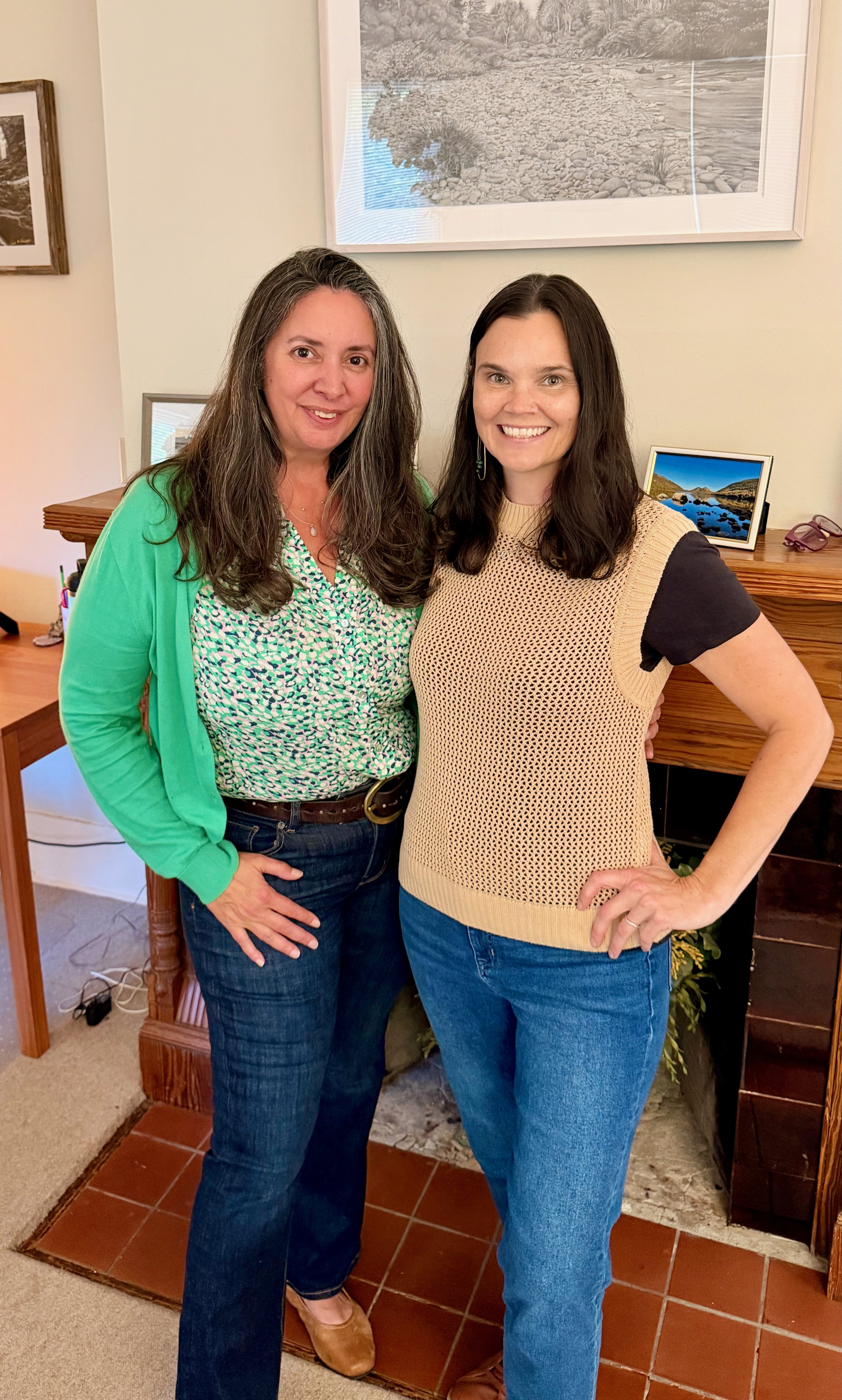
Meet the Team
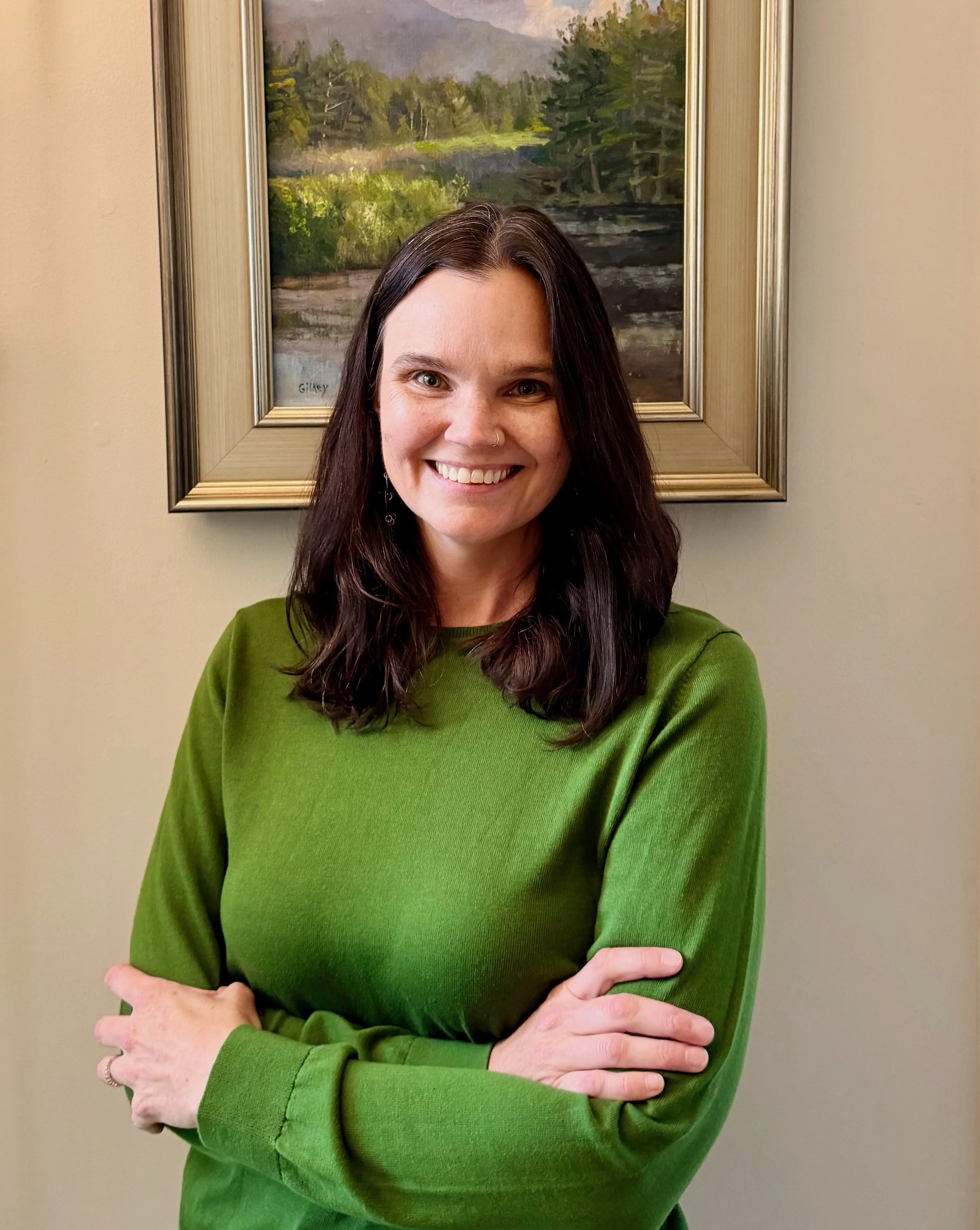
Kate McCarthy, LICSW
Healing isn't something that happens to you — it happens with you. Kate is a trauma therapist who believes that real healing begins the moment a person reclaims a sense of choice and agency over their own experience. Grounded in authenticity and a deep respect for each client's inner wisdom, Kate creates a space where you don't have to perform being okay — where showing up exactly as you are is always enough.
Kate draws from a range of body-centered and evidence-based approaches, including Trauma Center Trauma-Sensitive Yoga (TCTSY), somatic therapy, and EMDR. These modalities share a common thread: the understanding that trauma lives in the body, and that the path forward often runs through it. Whether through gentle movement, breath, or targeted memory processing, the work is paced by you — your window of tolerance, your readiness, your rhythm.
Kate works with adults navigating the aftermath of difficult experiences, including neurodivergent individuals who may have spent a lifetime masking, adapting, or being misunderstood. As someone with ADHD herself, Kate brings both professional training and personal understanding to this work. If you've spent a long time feeling disconnected from yourself, her work is about helping you find your way back — not to who you were before, but to who you are becoming.
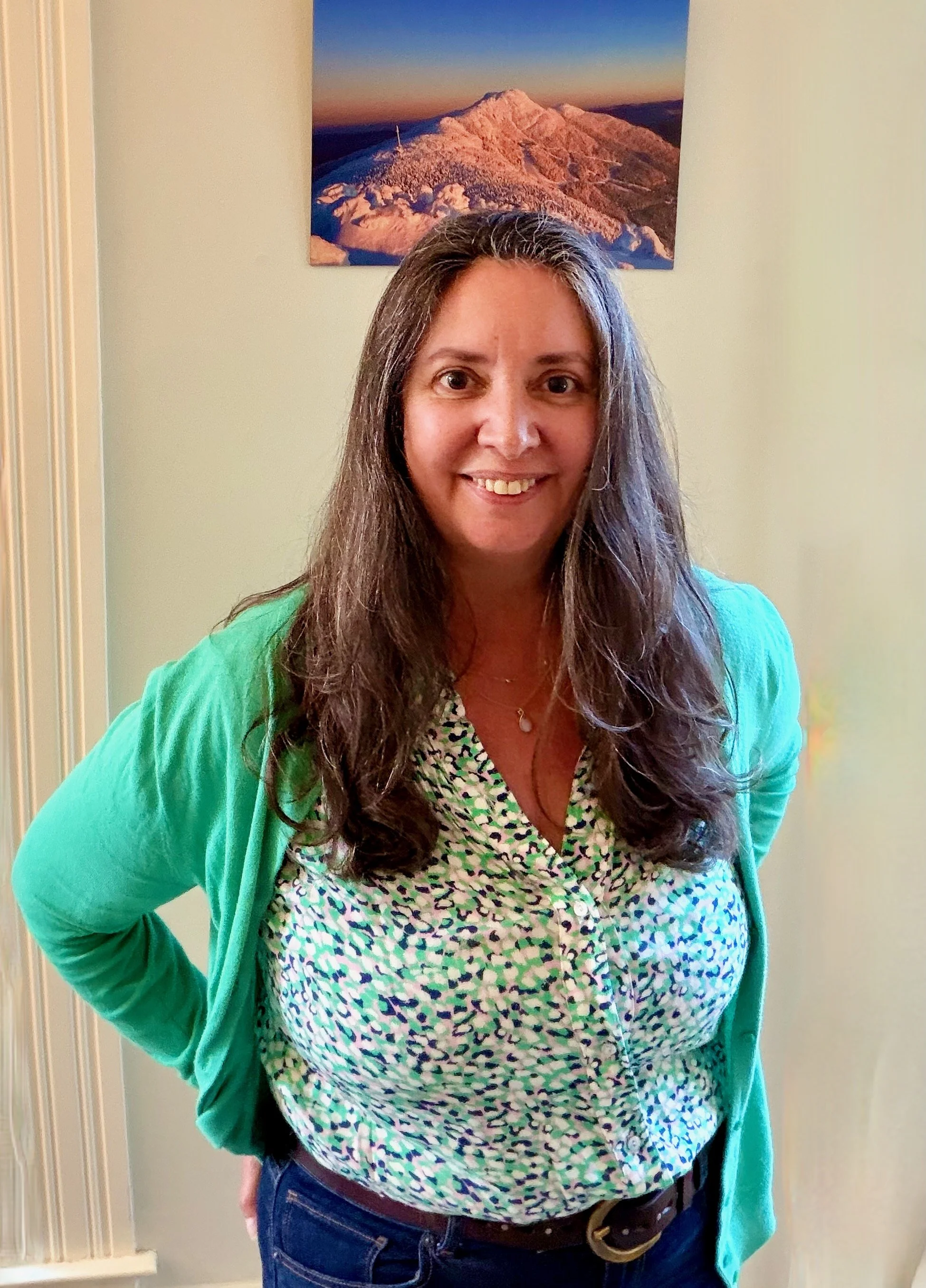
Co-Founder, LCMHC, Therapist
Jenny Echarte, LCMHC
Self-discovery is a journey of understanding how your family history, past experiences, relationships, current circumstances, and future hopes shape who you are. Finding greater congruence between these past, present, and future aspects of the Self can promote well-being, mood regulation, and healing. Choosing to engage in counseling is an act of courage that involves a commitment to building awareness, resilience, and acceptance through extensive self-exploration — and it would be an honor to support you in this endeavor.
Jenny approaches counseling from the belief that you are the expert on your own experiences, identity, and personal growth. Her role is to walk alongside you as a collaborative partner, combining evidence-based clinical practice with your unique insights and strengths. Whether you are healing from trauma, managing symptoms of anxiety or depression, quieting a restless mind, seeking cohesion in relationships, or navigating grief and loss, therapy with Jenny is a safe, supportive space where your goals and inherent wisdom lead the therapeutic process.
Jenny practices from a Humanistic, trauma-informed, and strengths-based perspective, integrating Cognitive Behavioral Therapy (CBT) techniques, psychosocial interventions, and biopsychological principles to help individuals along their path to healing. Her studies in neuroplasticity have highlighted the significant positive therapeutic benefits of social connection in promoting brain health — rewiring neural pathways and reducing the impact of negative past experiences. These findings have led Jenny to offer group counseling opportunities on various topics throughout the year. She also has a special interest in working with individuals living with dementia and providing compassionate support and guidance to their caregivers.

Nurse Practitioner, APRN
Sherry Barnard, Ed.D., MSN, APRN
Sherry Barnard is a dedicated adult nurse practitioner with seven years of experience providing high-quality care to a diverse patient population. She also brings more than 20 years of registered nursing experience spanning medical-surgical nursing, diabetes care, charge nurse leadership, and teaching nursing students at the college level.
Sherry earned her Associate Degree from Norwich University in 1999, her Bachelor of Science in Nursing from Sacred Heart University in 2003, and her Master of Science in Nursing Education from Walden University in 2007. She went on to complete a doctorate in Educational Leadership in 2016 and a post-graduate nurse practitioner certificate in 2019, specializing in geriatric practice.
Throughout her career, Sherry has worked in local hospitals, clinics, and private practice settings, and has taught nursing at nearby colleges. Her compassionate approach centers on preventive care and quality of life for patients managing chronic disease. She is board certified through the American Association of Nurse Practitioners (AANP) and an active member of both AANP and the Vermont Nurse Practitioners Association (VNPA).
Sherry is known for her calm, collaborative style and for empowering patients and families through education and support. Beyond her clinical work, she volunteers with local organizations, supporting community events, health education programs, and nonprofit boards. In her free time, she enjoys spending time at Lake Champlain, hiking, reading, photographing unusual lake birds, and being with her family.
Co-Founder, LICSW, Therapist, TCTSY-F
Trauma-informed Perspective
Trauma is a major contributor to many mental health presentations. Research consistently shows that traumatic experiences — especially chronic, interpersonal trauma — are strongly associated with anxiety, depression, borderline personality disorder, substance use disorders, dissociation, and eating disorders.
The landmark Adverse Childhood Experiences (ACE) Study found that the number of adverse childhood experiences strongly predicts adult mental and physical health problems. Trauma affects the amygdala, hippocampus, and prefrontal cortex — the brain systems governing fear, memory, and regulation.
These changes help explain why survivors often experience emotional dysregulation, dissociation, chronic anxiety, and difficulty trusting others — not as failures, but as adaptations to threat.
At Root and River Collective, LLC, we view many behavioral and emotional patterns through a trauma lens. Anxiety may reflect chronic threat detection. Depression may reflect nervous system shutdown. Dysregulation may reflect nervous system injury — not moral failing.
Traditional Diagnosis. Trauma-Focused Interpretation
Generalized Anxiety Disorder. Chronic hypervigilance from prolonged threat
Major Depressive Disorder. Nervous-system shutdown or collapse
Borderline Personality Disorder Attachment trauma and emotional survival strategies
Substance Use Disorder. Self-regulation attempt for overwhelming emotions
How We Work
-
Our Approach
Our approach is shaped by physiology. We pay attention to fight/flight, freeze/collapse, dissociation, and nervous system dysregulation — and we build treatment around restoring regulation, safety, and choice.
-
Safety First
No therapy work happens effectively without a felt sense of safety. We build that foundation before anything else.
-
Collaborative Pacing
We follow your lead. We don't push toward content you're not ready to approach, and we move together, not ahead of you.
-
Attachment-Guided
The therapeutic relationship itself is part of the healing. We pay close attention to how relational patterns show up in the room — and we use that, carefully and intentionally, as a place of repair.
-
Consent & Empowerment
At every stage, you are asked — not told. Your agreement and comfort matter in every moment of the work.
-
Agency Restored
The goal is not symptom management. It's restoring your capacity to notice, choose, and respond — in session and in life.

COMMUNITY & CONNECTION
Healing is a communal act
Our nervous systems are wired for connection. The therapeutic relationship, movement in community, shared experience — these are not extras. They are central to how healing happens here.
"Instead of asking 'what is wrong with you?' we ask 'what happened to you?'"
Root & River Collective Guiding Question